
By Admin
10 Oct, 2025
0 Comment
Wildlife Viewing in chilean Patagonia: The Definitive Guide to Wildlife in Its Natural Habitat: Places, Seasons, Photography and Etiquette Tips
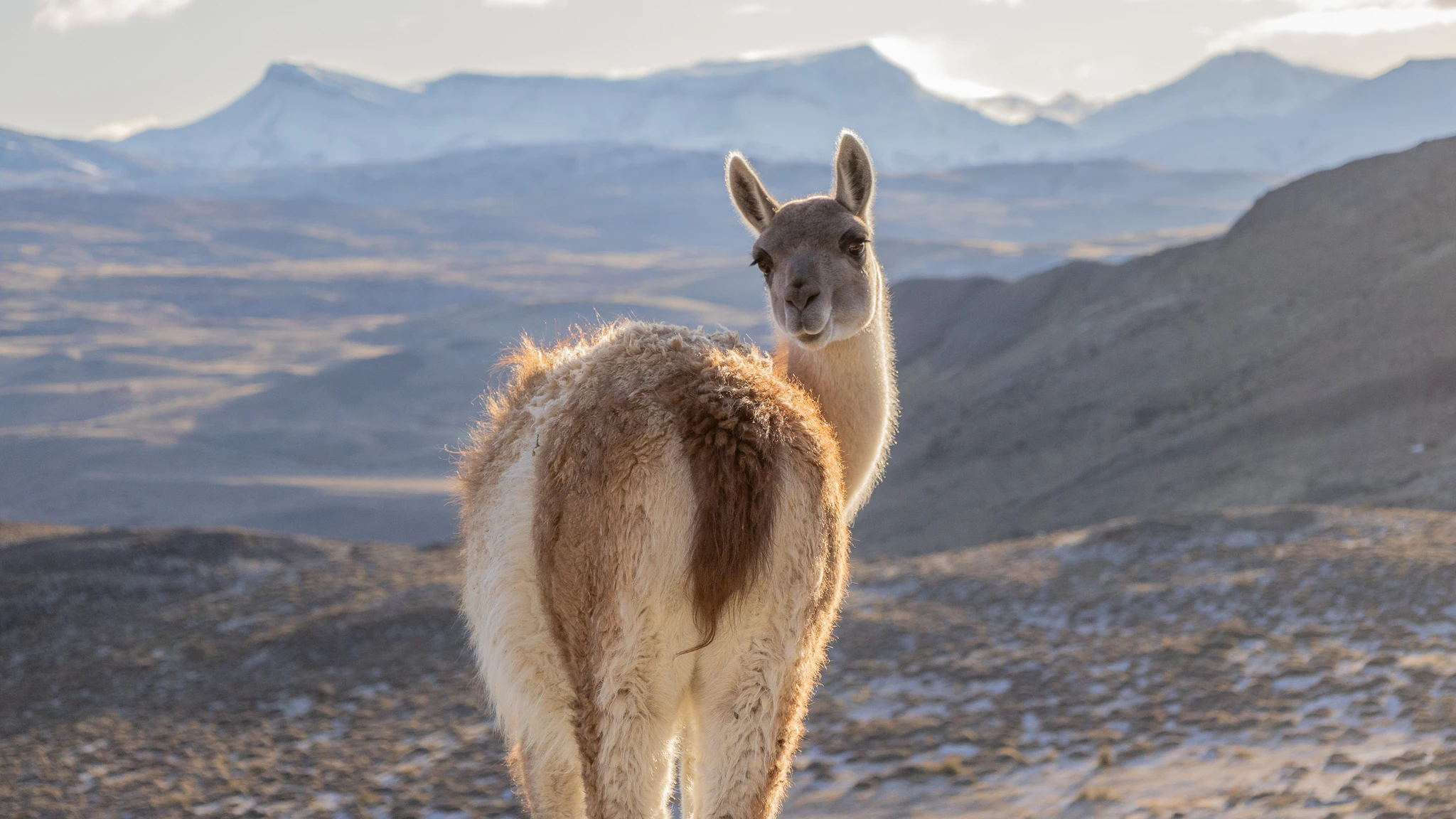
The best destinations for wildlife viewing in Patagonia await you, on a journey through biodiversity. Torres del Paine National Park is a dreamy setting to observe terrestrial wildlife. Pumas are the most emblematic feline of Patagonia, king of these wild lands. To increase your chances of spotting, explore the grasslands and rocky areas at dawn and dusk, when these predators are usually more active. Guanacos are abundant throughout the park, these South American camelids are a fundamental part of the Patagonian ecosystem. Observe their social behaviors, their adaptations to the extreme climate, and their important role in the food chain. Condors are the lords of the Patagonian skies. Cerro Benítez, near Puerto Natales, is an excellent place to spot Andean condors flying in circles, taking advantage of rising thermal currents. Foxes are clever and curious, you can see them prowling near the campsites and trails, looking for an opportunity to get food. Aquatic Birds, in the lakes and lagoons of the park, you can observe various species of aquatic birds, such as upland geese and Chilean flamingos, although the latter are less common. It is recommended to use a telephoto lens to capture close-ups of the animals without getting too close and respect their living space. A tripod will help you get sharp images in low light conditions.
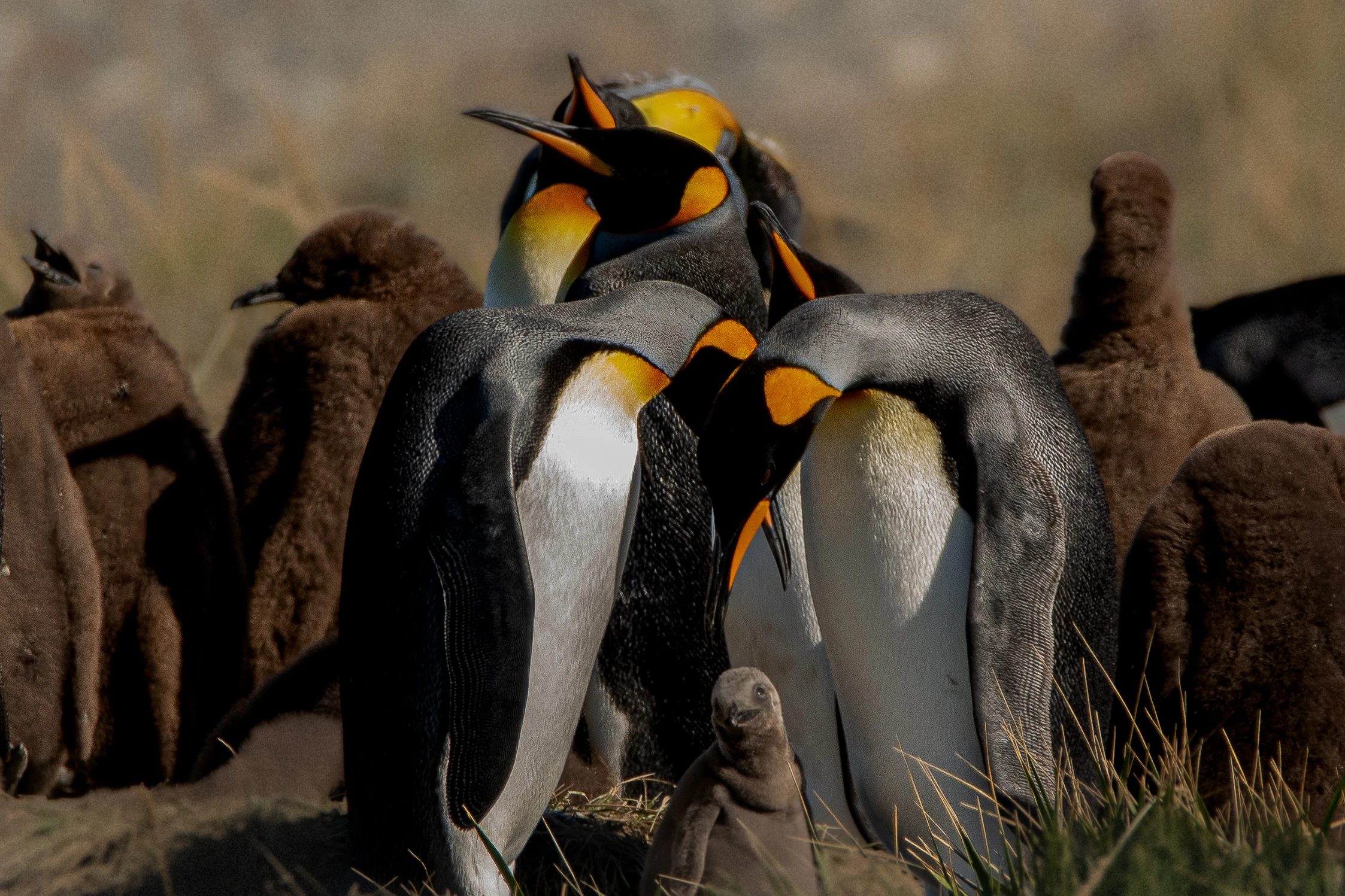
Península Valdés is a marine sanctuary of global importance. Southern Right Whales arrive on the peninsula between June and December to reproduce, turning the coast into a magical setting. Observe their impressive jumps, their melancholic songs, and their social interactions. Elephant Seals form giant colonies on the beaches, where you can contemplate their territorial struggles and their maternal behaviors. Magellanic Penguins, thousands of penguins nest on the coasts, creating a unique spectacle. Observe their clumsy walk on land and their surprising agility in the water. It is important to respect the safety distances established by the guides and do not try to touch or feed the animals. Remember that you are in their home and you must behave like a respectful guest.
Humedal de la Vega Castillo in Puerto Natales is a paradise for urban birdwatchers. This urban wetland is a key site for the conservation of migratory and resident birds. Here you can find Whimbrels, especially during their migrations. Several species of ducks, such as the yellow-billed teal and the crested duck. Black-necked swans that adorn the tranquil waters of the wetland. It is recommended that you bring good quality binoculars and a Patagonia bird guide to identify the different species. Respect the signs, walk on marked trails, and avoid disturbing the birds.
There are other places to spot birds and Patagonian fauna. Puerto Natales Waterfront, where you can observe gulls, cormorants, and other seabirds. Bernardo O'Higgins National Park where there are forest birds and coastal birds, as well as marine mammals on the coast.
The viewing calendar should plan your trip according to your interests and the seasons of the fauna. In spring, from September to November, is the awakening of life. There is birth of offspring of guanacos, pumas, and other terrestrial animals. Migratory birds arrive to reproduce. Vegetation begins to bloom, creating a colorful and vibrant landscape. It is recommended to bring good quality binoculars to observe the offspring and birds in their nests closely.
In summer, from December to February, is the splendor of the sea. It is the season of southern right whales in Península Valdés. Penguin breeding season on Isla Magdalena. Long days and pleasant temperatures, ideal to enjoy the Patagonian coast. It is recommended that you book your excursions in advance, as demand is very high during these months.
In autumn, from March to May, the colors of the landscape and the feast of the condors. Spectacular landscapes with the changing colors of the vegetation, creating an unforgettable visual spectacle. Greater ease to spot condors in search of food, taking advantage of the abundance of carrion. Lower influx of tourists, which allows you to enjoy a quieter experience. Dress in neutral colors to camouflage yourself with the environment and not scare the animals.
In winter, from June to August, is the time of the predators and snowy landscapes. Pumas and other predators approach the lower areas in search of food, increasing the chances of spotting. Landscapes covered with snow, creating a magical and breathtaking atmosphere. The opportunity to observe species adapted to the cold, such as foxes and winter birds. Hire an expert guide who knows the habits of the animals and can guarantee your safety in adverse weather conditions.
Tips for responsible viewing, your behavior impacts wildlife. Keep your distance, respect is the key. Do not get too close to the animals, especially during the breeding or calving season. Use binoculars or telephoto lenses to observe them from afar. Follow the instructions of the guides and respect the established safety distances. Avoid making sudden movements or loud noises that could scare or stress the animals. Avoid noise, silence is your best ally. Do not shout, do not make loud noises, and keep your voice low. Turn off your cell phone or put it on silent mode. Respect the silence of nature and allow the animals to behave naturally. Do not feed the animals, break the natural balance. Do not offer them food, not even crumbs. By feeding the animals, you alter their natural behavior, make them dependent on humans and can transmit diseases. Choose responsible tour operators, your decision makes the difference. Research tour operators before hiring their services. Make sure they have permits to operate in the areas you visit and that they comply with environmental regulations. Ask about their policies on conservation and respect for wildlife. Support operators who contribute to the conservation of wildlife and the environment, either through donations, research projects or environmental education programs.
Patagonia awaits you with a world of natural wonders and unforgettable encounters with wildlife. With this comprehensive guide, you will be prepared to live respectful, ethical and memorable viewing experiences, contributing to the conservation of this natural treasure for future generations.
These are the wildlife and photography trips we run out of Puerto Natales: private puma tracking in Torres del Paine, wildlife exploration in Torres del Paine, a photographic safari in Torres del Paine, condor photography at Cerro Castillo and birdwatching around Puerto Natales.
-
Author
Admin
Post a comment
Your email address will not be published. Required fields are marked *
Recent Posts
Things to Do in Puerto Natal
09-10-2025
Preparation and Expert Tips
10-10-2025
Wildlife Viewing in chilean
10-10-2025